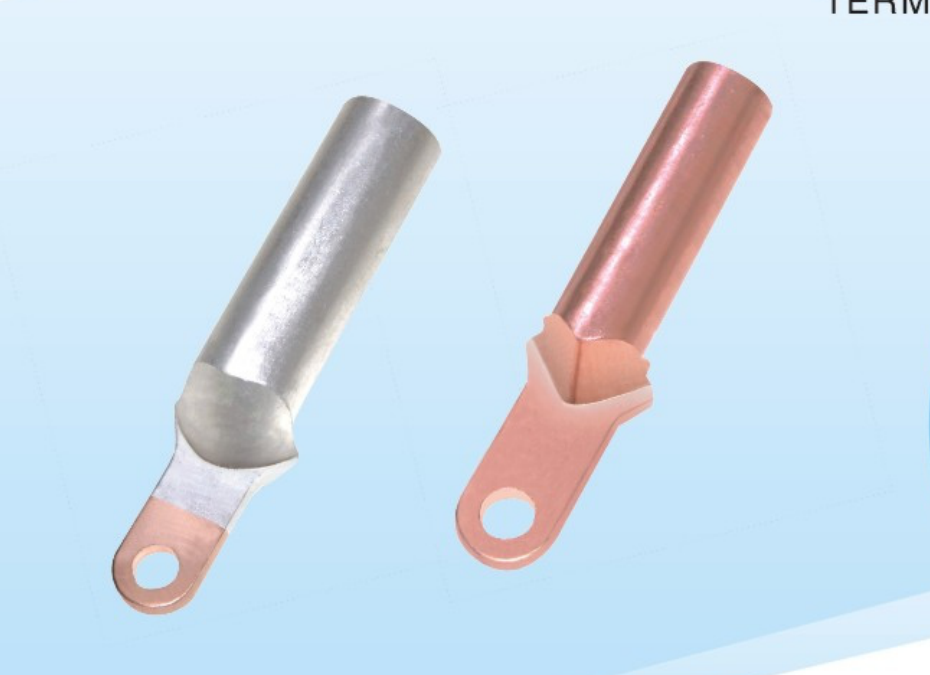
Wenzhou Changsong Electric Co., Ltd.
Catalogs & technical filesContact & inquiryWhatsApp
CHSOINDUSTRIAL ELECTRICALRequest a quote 0→
Bimetallic lugs

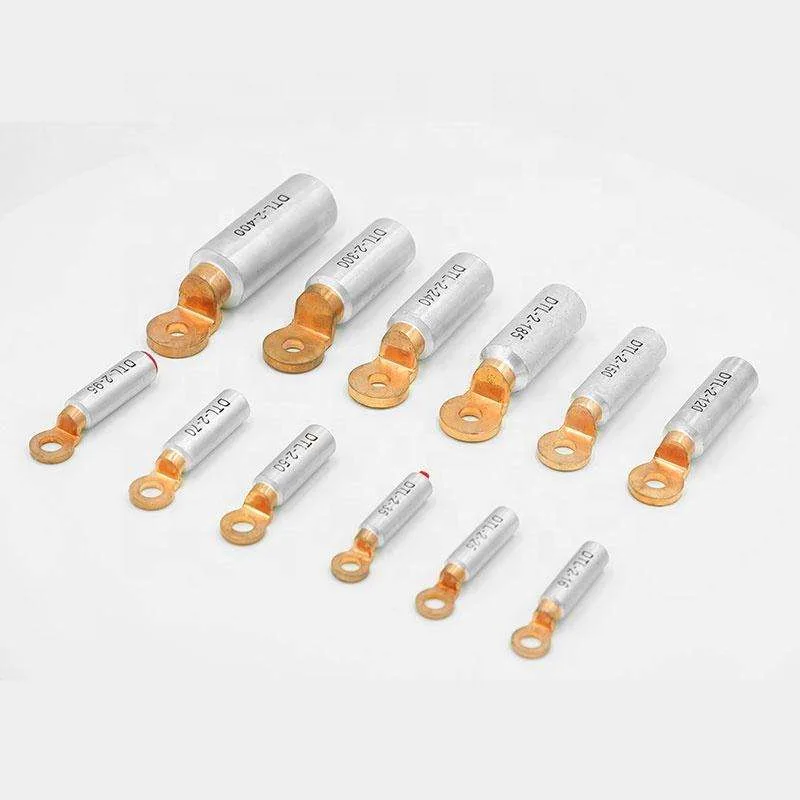
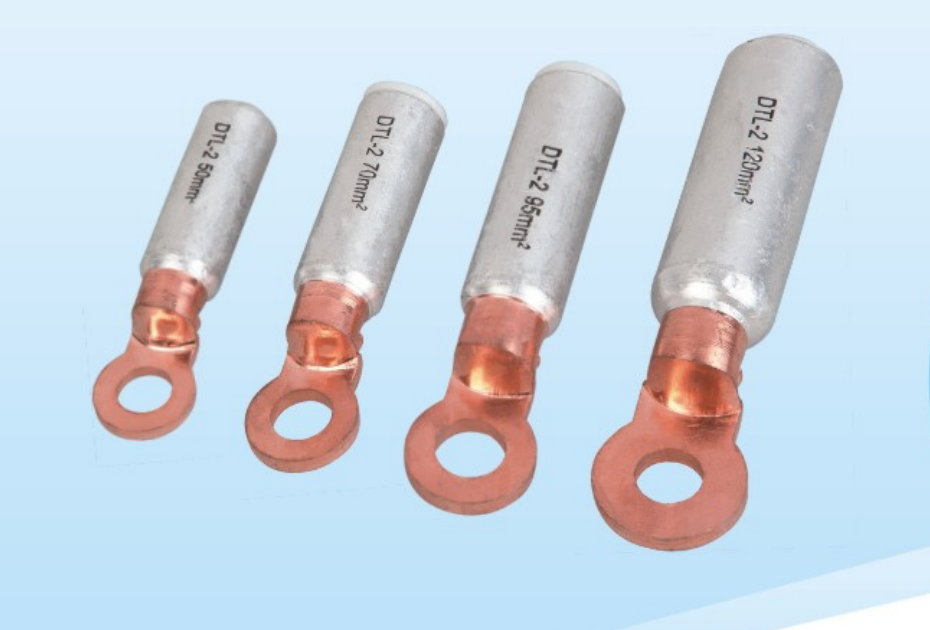
DTL Narrow-Palm Cable Lugs

A 16 mm wide palm and 8 mm mounting hole provide a compact bolted connection. Choose the copper–aluminium DTL version for aluminium-to-copper terminations.

25–240 mm²Copper / aluminiumBolted palm
DTL Narrow-Palm Cable Lugs
DTL · Bimetallic lugs
Technical data

Material, connection & construction

DTL product specifications
ParameterSpecification
SeriesDTL
Product formNarrow-Palm Cable Lugs
Conductor / interfaceAluminium conductor to copper contact interface
Body materialCopper / aluminium
Size range25–240 mm²
Connection methodCrimped barrel with bolted palm
InsulationNon-insulated; provide application-specific joint insulation and enclosure protection
DimensionsMillimetres; conductor cross-section in mm²
Transition constructionJoined copper and aluminium sections
Model selection

Models & dimensions

All dimensional values are in millimetres. Conductor sizes are in mm². Use the symbols in the drawing for the selected construction.

Include “narrow palm” with the model and size when ordering; these are distinct from standard DT and DTL geometries.

DTL Narrow-Palm Cable Lugs construction
Product construction
DTL Narrow-Palm Cable Lugs dimension symbols
Dimensional geometry · All dimensions in mm
Use the dimension symbols in this series drawing; symbols can differ between constructions.

DTL model dimensions
ModelPalm widthStud hole ØOverall lengthPalm thickness
DTL-25168742.8
DTL-3516883.52.8
DTL-5016889.83.1
DTL-7016893.84
DTL-95168994.2
DTL-120168104.54
DTL-150168113.55.5
DTL-185168121.56.2
DTL-240168133.57
Application & installation

Select the complete connection

Application fit

  • Aluminium feeder cables terminating at copper equipment connections
  • Distribution cabinets requiring a controlled Cu/Al interface
  • Retrofit projects where the barrel and palm fit the cable and terminal

Ordering checklist

Specify DTL construction, conductor material and nominal section, conductor strand class, stud-hole diameter, palm clearance, tool/die system, quantity and required finish.
Installation sequence

  1. Isolate the circuit and verify that it is de-energised. Identify the conductor material, section and strand construction.
  2. Select the matching connector, tool and die combination. Strip to the required insertion length without cutting or losing strands.
  3. Prepare the aluminium contact surface and apply the joint compound specified by the connection system. Keep compound and preparation appropriate to each metal.
  4. Insert the conductor fully and crimp in the sequence and number of compressions specified for the connector/tool system. Do not substitute a die solely because its size marking looks similar.
  5. Place the palm flat against the intended terminal, use matching hardware and tighten to the equipment connection specification. Support the cable so the palm carries no avoidable bending load.
  6. Inspect the compression, conductor retention and contact alignment. Restore suitable insulation and protection, then carry out the assembly checks before energising.
Practical answers

Frequently asked questions

What distinguishes DTL from other cable connectors?

A 16 mm wide palm and 8 mm mounting hole provide a compact bolted connection. Choose the copper–aluminium DTL version for aluminium-to-copper terminations.

How do I select the correct DTL size?

Specify DTL construction, conductor material and nominal section, conductor strand class, stud-hole diameter, palm clearance, tool/die system, quantity and required finish.

What should I check before ordering this series?

Include “narrow palm” with the model and size when ordering; these are distinct from standard DT and DTL geometries.

Does the conductor size determine a universal current rating?

No. Connection current depends on the cable material and size, insulation temperature, terminal interface, installation conditions and verified crimp system. Select the whole circuit and connection together.

Can I use any crimping die with the same size number?

No. Die profile, tool force, connector wall thickness and conductor construction work as a system. Use the specified tool/die combination for the chosen connector.

Which side takes the aluminium conductor?

Use the aluminium barrel for the aluminium cable. The copper section provides the copper-side connection; follow the Cu/Al orientation in the series drawing.

Distributor & panel-builder inquiries

Specify the conductor.
Match the connection.

Include DTL model and construction, conductor material and size, stud-hole or joint requirements, quantities and packaging needs.

Request pricing ↗
WhatsApp